
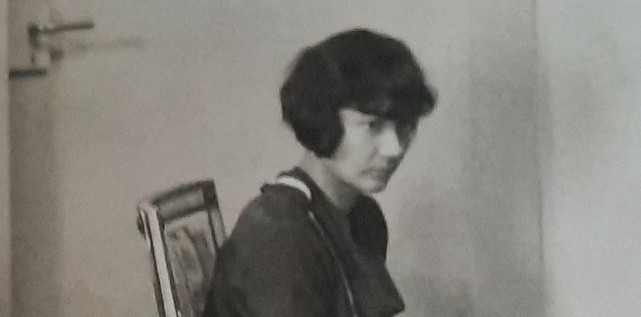
Marguerite Respinger and Ludwig Wittgenstein / Love and Power

Marguerite Respinger and Ludwig Wittgenstein
Love and Power
by Annick Sjögren
Who was Marguerite Respinger, the woman who, before her marriage to Talla Sjögren, shared a profound and unusual friendship with Ludwig Wittgenstein? If this famously exacting philosopher could confide in his diary that she was the only woman he ever loved, she must have stood apart in ways that deserve closer attention.
The beginnings of this attachment need not be left to speculation, for Marguerite later recorded her first meeting with Ludwig in striking detail.
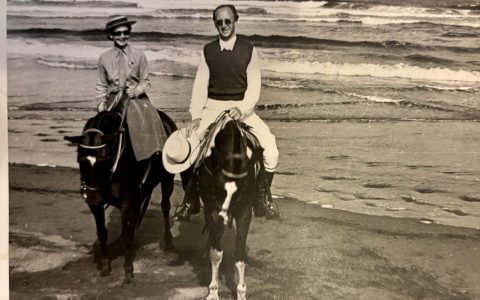
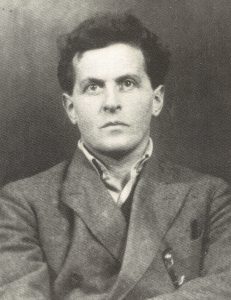
In 1926, shortly after starting her autumn term at the drawing-school L’École des Métiers in Berne, she received a telegram from friends in Vienna, where a place had opened up for her at a well-known drawing school. She left Switzerland at once. After arriving in Vienna, she lived with the Stonborough family in the bel étage of Palais Schönborn. Half a century later, she describes the first time she met Ludwig:
The second event of those first few days was meeting L.W., Mrs St.’s brother, who had sprained his foot and was staying with his sister so he could recover. As our group of young people used to meet at Mrs St.’s house on Saturdays for lunch and then spend the afternoon there, we gathered around the injured man’s bed to listen to him reading stories by Peter Hebel aloud. His reading these charming stories made me feel at home, and I listened with delight to the poetry of my German-speaking homeland read with such deep understanding.
As a grandmother, Marguerite wrote a memoir of the first half of her life, GRANNY et son temps, a publication for family and friends. By that time, Ludwig Wittgenstein’s reputation was steadily growing, and the book was likely also written with a few trusted scholars in mind. It describes her childhood and youth, her years in Vienna, her married life with Talla, and ends abruptly, in the middle of her life, with Talla’s death in 1945.